Drunken Noodles Near Me: What Sets the Best Bowls Apart
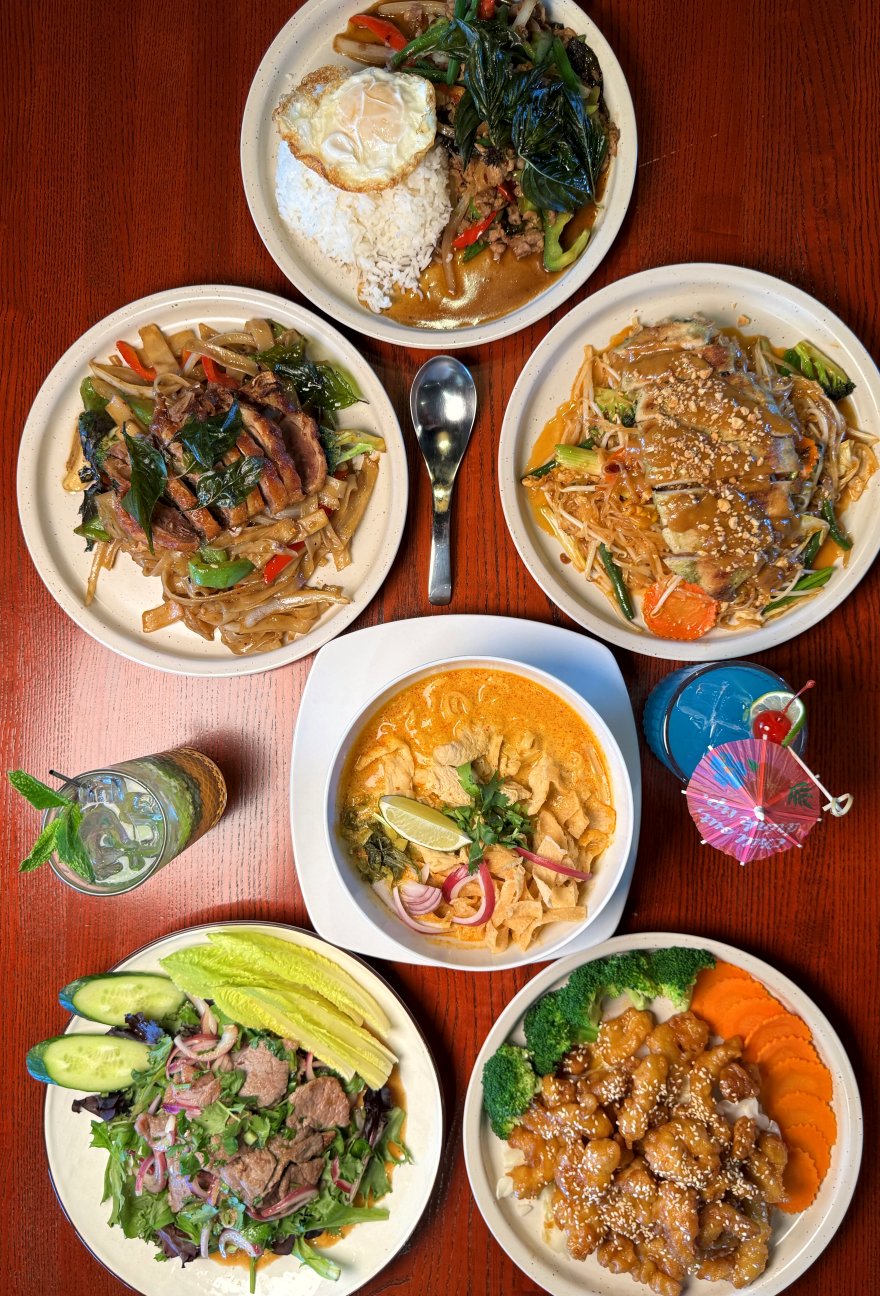
There is a reason so many people type Drunken Noodles Near Me into a search bar when they want something fast, satisfying, and a little dramatic. A good plate of drunken noodles arrives glossy, fragrant, and visibly alive with heat. The noodles should fold over each other in broad, slippery ribbons. The sauce should cling rather than pool. The basil should hit your nose before the fork reaches your mouth. And the first bite should carry more than just spice. It should have depth, sweetness, smoke from the wok, and enough balance to keep you chasing the next bite.
That is the difference between a dish that scratches an itch and one you remember.
Plenty of restaurants serve some version of drunken noodles, often under the Thai name pad kee mao. Fewer serve a truly excellent one. The best bowls reveal care at every stage, from the noodle itself to the heat management at the wok station. If you know what to look for, it becomes much easier to separate a great neighborhood spot from a place that leans on sugar and chili to hide weak technique.
Why drunken noodles can be so inconsistent
Drunken noodles look simple on the menu. Wide rice noodles, protein, vegetables, basil, chili, savory sauce. In practice, it is one of those dishes that exposes every weakness in a kitchen.
Rice noodles can go from supple to mushy in less time than it takes to answer a delivery ticket. Sauce can turn harsh if the salt, sweetness, and funk are not balanced. Basil can blacken and disappear if it goes in too early. A wok that is not hot enough steams instead of sears. A wok that is overcrowded makes everything limp.
That is why one restaurant’s drunken noodle tastes smoky and layered, while another’s tastes flat, wet, and strangely https://pastelink.net/nnhjb8yi sweet. The ingredient list is not the whole story. Execution matters more than diners often realize.
I have eaten this dish at small family-run Thai restaurants, trendy pan-Asian spots, late-night takeout counters, and places where the line forms out the door on a rainy Tuesday. The pattern is clear. The best bowls are not necessarily the biggest or the hottest. They are the ones where each element still has its identity, even after being tossed together at high heat.
The noodle itself tells you a lot
Start with texture. If a restaurant gets the noodle wrong, little else can save the dish.
A strong Drunken Noodle should use broad rice noodles with chew and elasticity. Not rubbery, not brittle at the edges, not shredded into short pieces. When you lift a forkful or a chopstick bundle, the noodles should drape rather than clump into a heavy mass. They should feel seasoned all the way through, not bland in the center with all the flavor sitting on the outside.
Fresh wide rice noodles usually give the best result, but they are tricky. They dry out quickly if stored poorly and can break if handled roughly. Dried noodles can also work well, though they require careful soaking and timing. What matters most is how the kitchen manages them. Good cooks understand that rice noodles continue softening from residual heat, especially once sauce is added. They pull back at the right moment. Less experienced cooks let the noodles linger too long, and the bowl turns slack.
If you open a takeout container and see a solid brick of noodles fused together, that usually points to either overcooking, too much sauce, or a dish that sat too long before pickup. A little sticking is normal. A compressed slab is not.
Heat is not the same as flavor
People often judge drunken noodles by spice level alone. That is a mistake.
This dish should absolutely have heat, but the best versions build it in layers. Fresh chili gives brightness and a quick sting. White pepper or chili paste can deepen the burn. Garlic brings sharpness. Basil contributes a subtle peppery lift. The sauce should round everything out with savory sweetness and umami, often from soy-based seasoning and fish sauce.
When spice becomes the only message, the dish loses its point. I have had bowls labeled “Thai hot” that tasted like little more than scorched chili flakes and sugar. They were fiery, yes, but also monotonous. By contrast, truly memorable drunken noodles let you taste the noodle, the char, the aromatics, and the basil before the heat swells.
That balance matters even more if you are ordering from an unfamiliar place after searching Drunken Noodles Near Me. Menu descriptions rarely tell you whether a kitchen understands restraint. Review photos can help, but your best clues come from how the dish is discussed. If regulars mention smoky wok flavor, fresh basil, and balanced seasoning, pay attention. If every comment focuses only on “super spicy,” the dish may be one-dimensional.
Wok hei, the detail most diners notice without naming
One of the most important qualities in drunken noodles is a subtle smokiness that comes from intense heat and quick cooking. In Cantonese cooking this quality is often called wok hei, and while Thai cooking is its own tradition, the core idea still applies. High heat creates complexity that no bottled sauce can fake.
You can recognize it immediately when it is there. The noodles have lightly blistered edges. The sauce tastes concentrated rather than watery. The vegetables retain structure but pick up sear. The whole bowl carries a faint toasted aroma, not burnt, just kissed by flame and metal.
This is where equipment and volume both matter. Restaurants with powerful burners and experienced wok cooks have an advantage. So do busy places, because high turnover means ingredients move fast and the wok station stays in rhythm. Ironically, a frantic rush can also hurt quality if the kitchen starts overloading pans to keep up. The sweet spot is a kitchen that is busy enough to stay sharp but disciplined enough to cook each order properly.
Home versions can be delicious, but restaurant drunken noodles often shine because very few home stoves can reach that same level of heat. When a local place nails it, you can taste the difference in seconds.
Basil is not a garnish here
Too many restaurants treat basil like an afterthought. In a proper bowl of drunken noodles, it is a defining flavor.
Thai basil brings anise notes, pepperiness, and perfume. It cuts through oil and balances chili. It should be added late enough to stay fragrant, but early enough to wilt slightly into the noodles. If the leaves are fully blackened and flavorless, they were probably tossed in too soon or left over heat too long. If the basil is raw and cold on top, the kitchen may have added it at the end to compensate for a bland batch.
The aroma test is useful here. Open the container or lean over the plate. If you smell chili and soy but no herbal lift at all, the dish may be missing one of its essential notes.
Basil also reveals how seriously a restaurant takes ingredient freshness. Wilted herbs drag the whole plate down. Fresh herbs wake it up instantly.
Sauce should cling, not drown
A lot of disappointing drunken noodles suffer from a sauce problem. Some are underseasoned, leaving the noodles dry and chalky. Others are overcompensated with a syrupy flood that pools at the bottom of the container and turns the last few bites into salty sludge.
The best sauce behaves differently. It coats every noodle in a thin, glossy layer. It tastes savory first, with sweetness present but controlled. It may carry the funk of fish sauce, though not so aggressively that it overwhelms everything else. It should amplify the seared flavor from the wok, not mask it.
There is also an important regional and house-style variation here. Some places lean darker and more soy-forward. Others push sweetness a bit more. Some use more fresh chili. There is room for all of that. The issue is proportion. You can tell when a restaurant has tuned its recipe carefully and when it is relying on excess sauce to make the dish seem bolder than it is.
A good rule of thumb: after a few bites, you should feel compelled to keep eating because the flavor keeps evolving. If your palate feels tired almost immediately, the sauce is likely doing too much in one direction.
Vegetables and protein should support, not clutter
Drunken noodles are not supposed to be a refrigerator dump. Yet some bowls arrive overloaded with every possible vegetable, while the noodles disappear beneath a tangle of filler.
Classic additions like onion, bell pepper, baby corn, and sometimes broccoli or green beans can all work. The key is that they must retain bite and fit the dish’s rhythm. Onion should soften at the edges while keeping sweetness. Bell pepper should still snap. Vegetables should not leak water into the sauce or overwhelm the noodle-to-garnish ratio.
Protein follows the same logic. Chicken is common and works well if sliced thin enough to stay tender. Beef brings richness but can dominate if cut too thick. Shrimp can be excellent, though it is easy to overcook. Tofu often exposes the kitchen’s skill more than meat does. A properly fried or seared tofu version has texture and absorbs sauce beautifully. A pale, damp tofu version usually tastes like compromise.
If you are judging a restaurant for the first time, consider what their protein handling says about the rest of the kitchen. Dry chicken, gray beef, or watery tofu usually signal rushed wok work or poor timing.
Signs you have found a genuinely strong local spot
When people search Drunken Noodles Near Me, they often rely on star ratings alone. Ratings help, but they flatten important details. A 4.7 can come from excellent cooking, oversized portions, or simply being the only Thai option in a delivery radius. Looking a little closer usually tells you more.
Here are a few useful signs:
- The restaurant offers customizable spice levels but warns clearly about higher heat.
- Reviewers mention basil, wok char, or balanced sauce, not just large portions.
- Photos show noodles that look glossy and distinct, not chopped up or swimming in liquid.
- The menu has a focused Thai section instead of a broad mix of unrelated cuisines.
- Repeat customers name specific dishes rather than praising everything vaguely.
None of these points guarantees greatness, but together they raise the odds. In my experience, restaurants that take the time to describe spice honestly and maintain a focused menu tend to execute better. Places that try to be Thai, sushi, ramen, and wings all at once can still be decent, but consistency becomes harder.
Dining in and takeout are not equal experiences
Drunken noodles are one of those dishes that can travel reasonably well, but they are still best eaten fast. Fresh from the wok, the noodles are springier, the basil brighter, and the sear more vivid. Ten or fifteen minutes in a closed container creates steam, which softens textures and mutes some of the aromatic edge.
That does not mean takeout is a bad idea. It just means expectations should adjust. A restaurant whose drunken noodles taste fantastic at a table may taste merely good after a delivery ride. Great takeout versions account for that. They may hold back a little sauce, cook the noodles slightly firmer, or pack garnishes in a way that preserves texture.
If you are trying a new spot specifically because you searched Drunken Noodles Near Me, the smartest first test is pickup rather than third-party delivery. That removes a variable. You get a clearer read on the kitchen instead of the driver route, traffic, and time spent waiting in a bag.
Reheating also matters. If you have leftovers, a hot skillet usually revives the noodles better than a microwave. The microwave is convenient, but it often pushes rice noodles from soft to gummy. A quick pan reheat with a tiny splash of water can bring back some life without drowning the dish.
Spice level requests can help or hurt
Many diners assume ordering the highest spice level means getting the most authentic experience. Sometimes that is true. Sometimes it ruins the balance.
Not every kitchen calibrates heat the same way. At one restaurant, medium may feel gentle. At another, medium can make your nose run. More importantly, some cooks increase spice by adding more fresh chili in a way that deepens flavor, while others just dump in crushed pepper or chili paste until the dish turns punishing.
If you care about tasting the full composition of the dish, your first order is often best at medium or medium-hot unless you already know the restaurant’s scale. After that, adjust. It is easier to move up than to learn anything from a bowl so hot that all nuance disappears.
I have seen excellent kitchens intentionally nudge first-time customers away from extreme heat on drunken noodles, especially if the dish already carries strong garlic and basil. That is not timidity. It is judgment.
Price, portion, and value are not the same thing
A cheap plate of drunken noodles can be satisfying, especially for lunch. But value is not just about volume. An oversized clamshell packed with oily noodles and overcooked vegetables might feel generous, yet half of it may be forgettable. A slightly smaller plate made with fresh basil, proper wok heat, and well-cooked protein often gives more actual pleasure.
Prices vary a lot by city, neighborhood, and protein choice. In many markets, drunken noodles land in the middle of the Thai takeout range, a little more for shrimp or beef, a little less for vegetable or tofu versions. What you are really paying for is not the noodle itself, which is inexpensive, but the labor and timing required to make the dish well under pressure.
That is also why a restaurant can be excellent at curries and still underperform on drunken noodles. Curry rewards preparation and batch consistency. Drunken noodles reward minute-by-minute execution.
The common shortcuts that weaken the dish
Once you have eaten enough versions, the shortcuts become obvious. Excess sugar creates an almost candied sauce that tastes loud for the first two bites and exhausting by the sixth. Too much oil makes the noodles slick in a heavy, greasy way rather than glossy. Pre-cut vegetables that have sat too long lose freshness and release water. Cheap basil substitutes remove the signature aroma. Low wok heat leaves everything tasting vaguely steamed.
Restaurants under staffing pressure often struggle here because drunken noodles do not tolerate hesitation. The dish wants confidence. Ingredients need to be staged, the wok needs to be ripping hot, and the cook needs to know exactly when each component goes in. A few seconds late with the basil, a few ounces too much sauce, one extra handful of noodles in the pan, and the whole bowl shifts from vibrant to muddled.
These are small mistakes individually. Together, they are the difference between average and excellent.
If you are comparing two local restaurants
When two nearby places both seem promising, look beyond the menu title and ask how each restaurant probably approaches the dish. One clue is the rest of the menu. A place with strong wok-fried items usually handles drunken noodles well. Another clue is photo consistency. If customer images from six months apart show similar color, noodle width, and vegetable mix, that suggests steadier execution.
It is also worth noticing whether the restaurant calls it pad kee mao, drunken noodle, or both. Naming alone proves nothing, but kitchens that keep Thai terminology on the menu often show a bit more confidence in the dish’s identity. The real proof still arrives on the plate.
If I were choosing between two unfamiliar spots for a first order, I would pay attention to a few practical details:
- Does the noodle look broad and intact in photos?
- Do reviews mention smoke, basil, or texture?
- Is the protein in pictures seared or pale?
- Does the sauce appear glossy instead of soupy?
- Is the menu focused enough to suggest specialization?
Those details sound minor until you compare bowls side by side. Then they become obvious.
What the best bowls leave you with
A standout plate of drunken noodles does not just taste spicy. It tastes intentional. The noodles are soft but still resilient. The sauce is bold but not blunt. The basil is vivid. The vegetables have texture. The protein fits naturally into the bowl. The heat builds rather than shouts. Most of all, every bite feels integrated.
That is what sets the best bowls apart from the merely convenient ones. When you find a restaurant that gets all of those moving parts right, it tends to become a regular order quickly. You stop searching Drunken Noodles Near Me because you already know where yours are.
And that may be the clearest test of all. Great drunken noodles do not just satisfy a craving. They end the search.
Nakhon Luang Thai Kitchen
Address: 805 Village Center Dr, Colorado Springs, CO 80919
Phone number: +17195315175
FAQ About Drunken Noodles Near Me
What makes it drunken noodles?
Drunken noodles, or Pad Kee Mao, get their name from the Thai word khi mao (meaning "drunkard"). They contain no alcohol. The name comes from the idea that the dish is a popular late-night meal to cure a hangover or a great food to eat with a cold beer.
What is the difference between pad see ew and drunken noodles?
While both Pad See Ew and Drunken Noodles use the same wide rice noodles, Pad See Ew is a mild, sweet-savory dish made with dark soy sauce and Chinese broccoli, whereas Drunken Noodles (Pad Kee Mao) are fiery, garlicky, and herbaceous with fresh chilies and Thai basil.
What are traditional drunken noodles?
Traditional drunken noodles, known as Pad Kee Mao in Thai, are a fiery, savory street food stir-fry made with wide flat rice noodles, fresh garlic, lots of hot chilies, meat or tofu, and fragrant holy basil. Despite the name, they contain no alcohol; the dish is traditionally eaten late at night or as a hangover cure because the intense spice helps clear the head.