How to Balance Sweet, Salty, and Spicy in Drunken Noodles
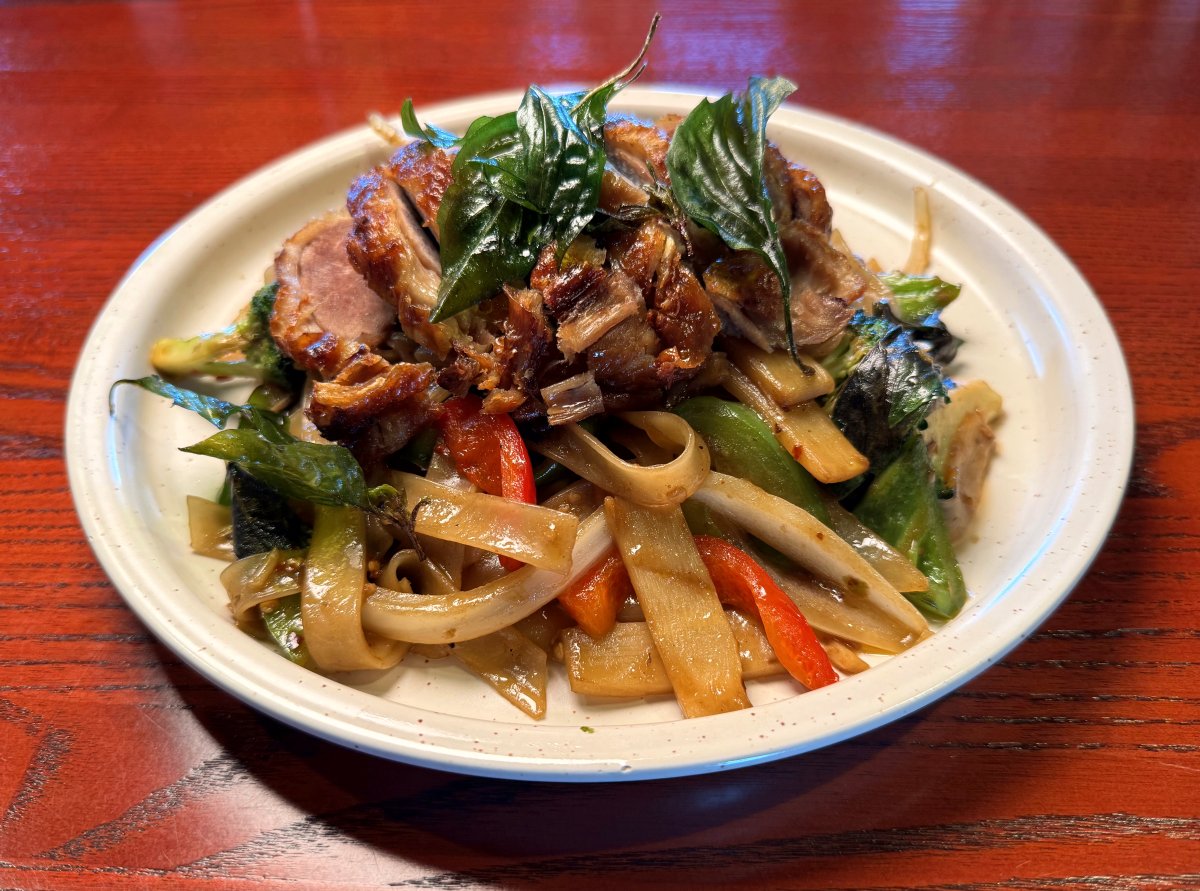
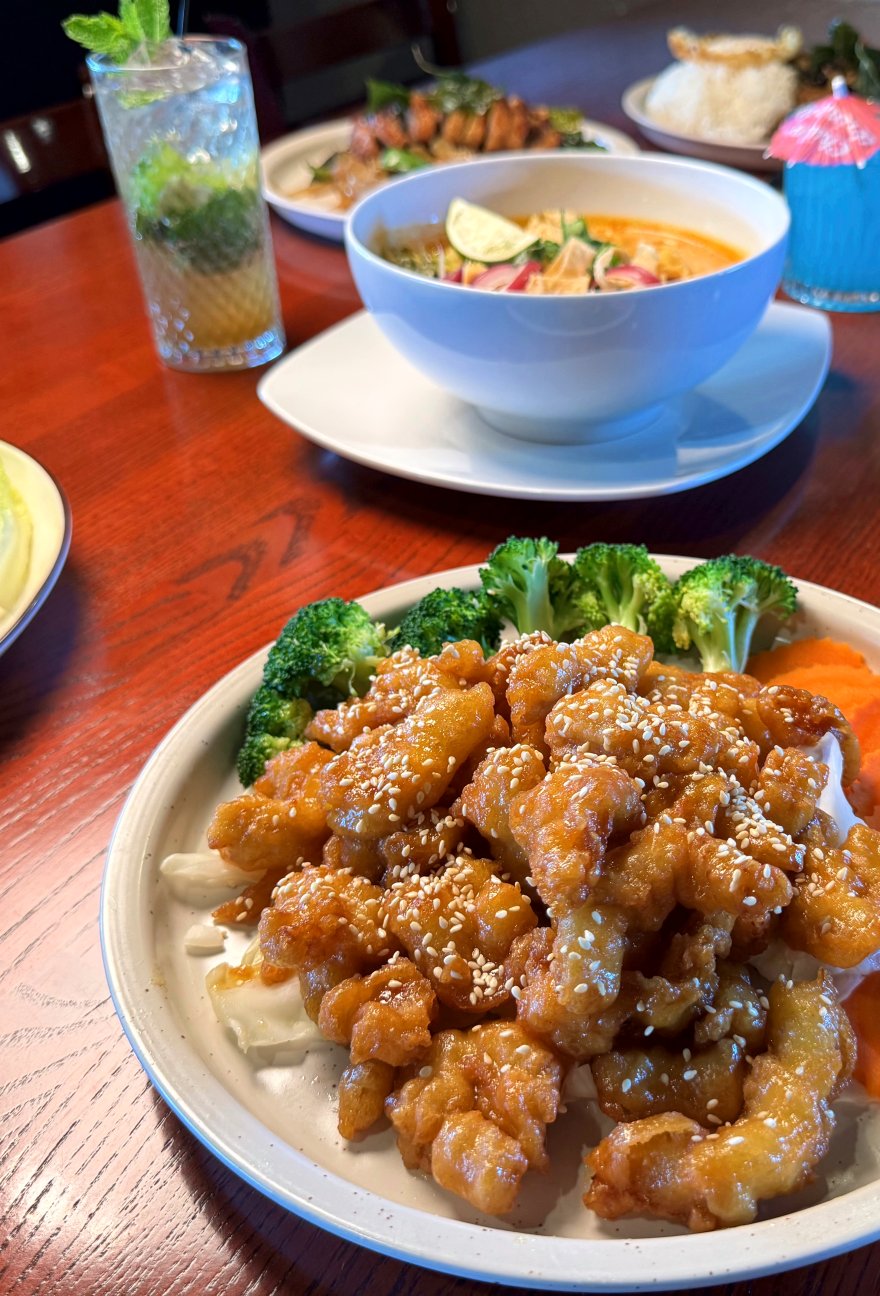
Drunken Noodles can look loose and forgiving in the pan, but the flavor is anything but casual. A good plate lands with force and clarity. You taste heat first, then savory depth, then a touch of sweetness that keeps the sauce from turning harsh. The noodles should carry all of it without feeling heavy or sticky. When the balance is right, every bite feels loud, glossy, and alive.
When the balance is off, the problems show up fast. Too much sugar and the dish drifts toward a sweet stir fry with no backbone. Too much salt and the sauce tastes flat rather than complex, especially once reduced in the wok. Too much chili and you lose the aromatic notes from garlic, basil, and the slight caramel edge from the sauce. Drunken Noodles depend on tension between these elements. The point is not to make them equal. The point is to make them support each other.
That distinction matters, because balance in this dish is not about symmetry. It is about hierarchy. Salty usually leads. Spicy follows closely. Sweet sits behind both, often in a smaller amount than inexperienced cooks expect. It rounds the flavor rather than announcing itself. If you approach the sauce like a simple three-part equation, the result often tastes blunt. If you approach it like a layered system that changes with heat, noodle absorption, and aromatics, the dish starts to make sense.
What balanced Drunken Noodles actually taste like
The first useful correction is sensory, not technical. A balanced sauce for Drunken Noodles does not taste finished when sampled raw from a bowl. Before it hits the heat, it may seem a little too salty and a little too sharp. That is normal. Wide rice noodles dilute intensity. Vegetables release water. High heat blunts sweetness slightly while concentrating savory notes. If you season the sauce until it tastes perfect before it goes into the wok, it often ends up weak on the plate.
A finished bite should taste savory and spicy up front, with sweetness arriving as a softening note around the edges. It should not read like brown sugar or syrup. It should not leave a salty film on the lips. The heat should build across a few bites, not punish the first forkful so hard that everything afterward tastes the same.
There is also a textural side to balance. Sweetness, especially from palm sugar or brown sugar, gives the sauce sheen and cling. Salt from soy sauce, fish sauce, or oyster sauce provides structure and depth. Chili contributes both flavor and attack. If the sauce is too thin, the balance feels disjointed even when the ratios are technically sound. If it is too thick, sweetness can dominate because it literally coats the palate longer.
I learned this the hard way years ago while testing different noodle brands for a catering menu. One batch of fresh rice noodles absorbed almost nothing and shed sauce into the container. Another batch drank up every drop. The same sauce formula tasted over-salted in one pan and under-seasoned in the next. Since then, I never think about sweet, salty, and spicy as fixed numbers. I think about them in relation to the noodles, the moisture in the pan, and how quickly the sauce reduces.
Start with the noodles, not the sauce
If you want control over flavor balance, begin with the starch. Wide rice noodles vary more than most recipes admit. Fresh noodles are often softer, more absorbent, and more fragile. Dried noodles, once soaked or boiled, can behave very differently depending on brand and thickness. Some stay chewy and resist absorption. Others swell quickly and go slack if left in the sauce for even a minute too long.
Why does this matter? Because noodles are not passive. They decide how aggressively your seasoning lands. A very absorbent noodle can make a well-seasoned sauce taste timid. A slick, less absorbent noodle can make that same sauce feel intense and sharp. If you are cooking with fresh noodles that clump, separating them gently with a bit of water or oil before they hit the wok prevents uneven seasoning. If you are using dried noodles, stopping just short of fully tender gives them room to finish in the sauce without turning soft.
This is one of the quiet truths of Drunken Noodles. Many balancing problems get blamed on the sauce when the real issue is the noodle itself. If the noodle is too wet, it waters down everything. If it is overcooked, sweetness and salt seem louder because the dish loses contrast and chew.
The three flavor pillars, and what each one really does
Sweetness is there to round and lift
Sweetness in Drunken Noodles should almost never lead. Its job is to soften hard edges and help the sauce glaze the noodles. Palm sugar is traditional in many Thai-style sauces because it brings a mellow, almost toffee-like sweetness rather than a bright, simple sugar hit. Brown sugar can work well. White sugar can work too, but it is easier to overdo because it tastes more direct and less nuanced.
A small amount of sweetness can make the dish taste more aromatic, not more sugary. That sounds contradictory until you taste it side by side. Garlic seems warmer. Basil pops more clearly. Even the heat from chili tastes more integrated. Once you push sweetness too high, though, the dish loses urgency. The flavors feel padded, and the chili can seem oddly dull.
For a home batch serving two to four people, the sweet component often lands somewhere around one to two teaspoons, though the exact amount depends on the salt sources and the noodle volume. That is less than many internet recipes suggest. If you are also using sweet soy sauce, you may need even less.
Salt creates depth, not just salinity
Salt in Drunken Noodles is usually built from more than one ingredient. Light soy sauce gives direct salinity. Dark soy adds color and a mild rounded sweetness. Fish sauce adds pungency, depth, and a savory finish that lingers differently from soy. Oyster sauce contributes body, sweetness, and umami. Depending on your style, you may use two or three of these rather than all four.
The mistake I see most often is relying on one salty ingredient to do everything. A sauce built only on soy can taste one-dimensional. A sauce built too heavily on fish sauce can turn the whole dish aggressively funky, especially if the wok heat is not high enough to move things quickly. Layered salt gives you better control. A little soy for sharpness, a little fish sauce for depth, a little oyster sauce for roundness, and then adjust.
Salt also changes the way heat is perceived. A dish that is slightly under-salted can taste strangely hotter because the chili sticks out with nothing to ground it. A properly salted dish can carry more chili without becoming chaotic. That is one reason restaurant versions often taste bolder yet more balanced than home versions. The salt structure is doing part of the smoothing.
Spicy is not just heat, it is aroma and shape
The spicy element can come from fresh bird's eye chilies, crushed dried chilies, chili paste, or a mix. Each behaves differently. Fresh chilies bring green brightness and immediate sharpness. Dried chilies add toasted character and a slower burn. Chili pastes can also bring sweetness, oil, and fermented notes, which means they affect more than just heat level.
When cooks think only in terms of Scoville-level intensity, they often miss the real question: what kind of heat suits the dish? Drunken Noodles benefit from pointed, aromatic heat rather than blunt, extract-style burn. You want the chili to wake up the garlic and basil, not erase them.
Another practical point, heat amplifies as you eat. A wok-fresh noodle dish that seems moderately spicy in the first bite can become quite hot by the middle of the plate, especially if black pepper is also present. That cumulative effect is part of the pleasure. It is also why restraint early on often produces a better final dish than chasing instant fire.
Why basil, garlic, and vegetables change the balance
People often talk about the sauce as if it exists in isolation, but Drunken Noodles are an ecosystem. Thai basil contributes anise-like sweetness and a cooling aromatic quality that can make the dish seem less hot than it actually is. Garlic brings sweetness when lightly browned and bitterness if pushed too far. Onion adds moisture and sugar. Bell peppers can make the whole dish read sweeter. Long beans keep it greener and sharper. Baby corn and carrots, while common in some versions, can push the balance away from the classic profile if used heavily.
Protein matters too. Chicken tends to absorb sauce gently and stay neutral. Beef brings fat and stronger savoriness. Shrimp can make a sweet note seem more pronounced. Tofu often needs a touch more assertive seasoning unless it has been well browned.
This is why copying a sauce ratio exactly rarely guarantees success. The aromatics and add-ins tilt the balance before the noodles even enter the pan.
Building a sauce that stays in control
I prefer to mix the liquid seasoning in advance rather than free-pouring into the wok. It is faster, more consistent, and gives you one chance to think through the balance before the heat gets frantic. A good starting structure is a savory base, a smaller sweet element, and enough chili to register clearly. The exact ratio is less important than the order of dominance.
For a medium batch, imagine a sauce where the salty ingredients together make up the https://www.google.com/maps?cid=10337779433515689724 bulk, sweetness is perhaps a quarter to a third of that intensity, and chili is adjusted according to whether it comes from fresh or concentrated sources. That mental model is more useful than memorizing tablespoons.
If your first attempts keep missing the mark, use this adjustment sequence:
- Fix salt first, because a bland dish can fool you into adding too much sugar or chili.
- Add sweetness in very small increments, often half a teaspoon at a time.
- Increase chili only after the noodles are fully coated and you have tasted a complete bite.
- Correct dilution by reducing briefly over high heat before adding more seasoning.
- Finish with basil off the strongest heat so its aroma stays vivid.
That sequence prevents the most common spiral, where a watered-down sauce gets sweeter, then hotter, then even saltier, until nothing tastes distinct.
The problem with tasting too early
A spoonful of hot sauce from the wok tells you almost nothing unless it includes noodle, vegetable, and protein together. This dish is not a curry or soup where the liquid can be judged on its own. Rice noodles mute intensity. Vegetables release sweetness. Basil perfumes the finish. If you taste before those pieces come together, you are making decisions with incomplete information.
I usually wait until the noodles have tossed in the sauce for at least 20 to 30 seconds before judging. That short window lets the starch absorb enough seasoning to reveal what the final balance will resemble. If the wok is properly hot, you can still make quick corrections without overcooking anything.
There is another trap here. Heat in the pan distorts your tongue. Very hot food tastes less salty and less sweet in the moment. Once it cools slightly on the plate, the seasoning becomes more apparent. That is one reason dishes cooked by nervous adjustment often come out too intense. The cook kept seasoning while tasting everything screaming hot.
How restaurants get the flavor to pop
Restaurant Drunken Noodles often seem more balanced not because the recipe is secret, but because the execution is decisive. High heat evaporates water fast, so the sauce clings instead of pooling. Aromatics char lightly rather than steaming. The seasoning concentrates just enough to feel bold without turning muddy.
At home, the biggest obstacle is crowding the pan. If the wok or skillet is too full, moisture builds, reduction slows, and the whole dish softens. Then cooks compensate with more seasoning. The result can be salty and sweet at the same time, yet strangely dull.
If you cannot cook over restaurant-level heat, the smartest move is to reduce the batch size. A smaller portion in a hot pan will always balance more easily than a large batch in a cooler one. This is not romantic, but it is true. You are not just stir-frying ingredients. You are managing water.
Common imbalance patterns and what they mean
Certain flavor problems show up again and again, and each points to a specific cause rather than a generic need for more sauce.
- If the dish tastes sharp and salty but somehow still bland, the pan was likely too wet, or the sauce relied too much on one salty ingredient.
- If it tastes sticky and heavy, sweetness is probably too high, or the sauce reduced too far before the noodles were fully coated.
- If the heat feels aggressive and disconnected, the salt base is underbuilt, or the chili was added in a form that dominated the aromatics.
- If everything tastes muted, the noodles may be overcooked, or the basil and garlic lost their aroma from excessive heat.
- If the first bite is great but the plate becomes tiring, the cumulative chili level is too high, or the sweetness is not doing enough to round the edges.
Those are the patterns I return to when troubleshooting. They keep me from making random corrections that only create new problems.
Ingredient choices that quietly tilt the whole dish
Sweet soy sauce deserves special mention. It can be useful, especially if you want richer color and a slightly smoother profile, but it narrows your margin for error. Once it is in the pan, both sweetness and viscosity rise together. If you use it, reduce other sweeteners at first and build back only if needed.
Oyster sauce also deserves respect. It deepens flavor and adds body, but many commercial brands vary widely in salt and sugar. The same goes for fish sauce. Some are cleaner and lighter, others darker and more assertive. If you switch brands, your usual ratios may suddenly stop working. Experienced cooks notice this immediately. Newer cooks often blame themselves when the real culprit is a bottle with a different personality.
Even the chili itself can shift the balance. Fresh Thai chilies vary wildly in strength. The red ones are not always hotter than the green. A batch picked at peak heat can double the impact of your normal amount. I have had pans where one extra chili changed the whole dish more than an extra teaspoon of soy ever could.
Small techniques that make a large difference
The order of cooking matters more than recipes often suggest. Garlic should hit the oil long enough to bloom, not brown deeply. Chilies should toast briefly so their aroma opens. Protein should cook fast and get out of the way before it sheds too much liquid. Vegetables should keep some bite. Sauce should enter when the pan can still drive off moisture, not after everything has already steamed.
Then there is the basil. Add it late, toss it quickly, and stop. If you cook basil as long as cabbage or onion, the perfume disappears and the dish loses one of the very things that help sweet, salty, and spicy feel balanced.
One more point from repetition: reserve a teaspoon or two of water nearby. Not much, just enough. If the sauce tightens too quickly before the noodles are evenly coated, a splash can buy you a few seconds to toss and distribute. This is not the same as watering down the dish. It is controlled timing. Used well, it prevents over-reduction and keeps sugar from becoming dominant.
A practical way to train your palate
If you want to get good at balancing Drunken Noodles, cook them a few times with deliberate variation. Make one batch with your normal sauce. On the next batch, reduce the sweetener by about 25 percent. On the third, increase the fish sauce slightly while holding sugar steady. On the fourth, change the chili form from fresh to dried, or vice versa. Keep the noodles and vegetables as consistent as possible.
The goal is not perfection on each try. The goal is calibration. Once you taste these shifts side by side over time, balancing stops feeling mysterious. You learn that an extra half teaspoon of sugar can be a lot. You notice that dark soy changes color faster than flavor. You feel how basil can make a spicy dish seem more composed. That is how experienced cooks work. Not by memorizing a sacred ratio, but by building a sensory map.
The plate you are aiming for
The best Drunken Noodles do not ask you to identify each component separately. They hit as one complete flavor, then unfold. First comes savory depth, then chili warmth, then a soft sweetness that keeps the dish from turning severe. Garlic and basil rise in the steam. The noodles stay glossy and slightly chewy. Vegetables still have life. You want another bite immediately.
That balance is less about precision than judgment. You are balancing not just sweet, salty, and spicy, but texture, moisture, heat, and aroma. Once you understand that, the dish gets easier. You stop chasing numbers and start paying attention to what the pan is telling you.
Drunken Noodles reward that kind of attention. They are bold, but they are not crude. Get the balance right, and the dish tastes bigger than the sum of soy sauce, sugar, chili, and basil. It tastes intentional, which is the real mark of a good stir fry.
Nakhon Luang Thai Kitchen
Address: 805 Village Center Dr, Colorado Springs, CO 80919
Phone number: +17195315175
FAQ About Drunken Noodles
What makes it drunken noodles?
Drunken noodles, or Pad Kee Mao, get their name from the Thai word khi mao (meaning "drunkard"). They contain no alcohol. The name comes from the idea that the dish is a popular late-night meal to cure a hangover or a great food to eat with a cold beer.
What is the difference between pad see ew and drunken noodles?
While both Pad See Ew and Drunken Noodles use the same wide rice noodles, Pad See Ew is a mild, sweet-savory dish made with dark soy sauce and Chinese broccoli, whereas Drunken Noodles (Pad Kee Mao) are fiery, garlicky, and herbaceous with fresh chilies and Thai basil.
What are traditional drunken noodles?
Traditional drunken noodles, known as Pad Kee Mao in Thai, are a fiery, savory street food stir-fry made with wide flat rice noodles, fresh garlic, lots of hot chilies, meat or tofu, and fragrant holy basil. Despite the name, they contain no alcohol; the dish is traditionally eaten late at night or as a hangover cure because the intense spice helps clear the head.