Irish Pub NYC Destinations for Laid-Back Social Nights
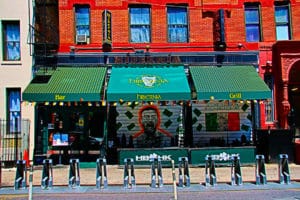
New York has no shortage of bars that call themselves neighborhood spots, but anyone who has spent enough evenings moving from one to the next learns the difference quickly. A true Irish pub offers something harder to fake. It has a steadier pulse. The room invites conversation without demanding performance. You can walk in alone, meet two friends after work, or drift in with a mixed group of locals and visitors, and the place still works. That balance is why the search for a good Irish Pub NYC regulars actually return to is less about novelty and more about feel.
Laid-back social nights do not happen by accident. They depend on practical details that people often overlook when they chase trendier bar scenes. You need lighting that flatters rather than floods. You need bartenders who can read the room and keep service moving without turning the place into a frenzy. You need enough music to soften silence, but not so much that every sentence becomes a small act of lip-reading. You need seats that make people stay for another round, and often one more after that.
Irish pubs in New York are especially good at this because they tend to be built around regular use rather than spectacle. The best ones can absorb a Wednesday crowd, a rainy Sunday, a pre-theater meet-up, or a post-shift unwind without losing their center. Some are polished and historic. Others are plain in the best possible way. What unites them is that they make sociability feel easy.
What separates a laid-back pub from a loud bar
There is a temptation to judge a place by its beer list or its reputation, but for relaxed social nights, those factors matter less than rhythm. A good pub lets a conversation unfold naturally. You are not rushed through your pint. You are not competing with a DJ set. The room has movement, but not chaos. The crowd can be varied in age and occupation, which usually helps. A room full of one mood often becomes brittle. A mix of office workers, neighborhood regulars, couples, and small friend groups creates a softer social texture.
The strongest Irish pubs in the city also understand pacing. Around 6:30 p.m., they feel lively but manageable. By 8:00, they gain warmth rather than aggression. By 10:00, they may be full, but they rarely tip into nightclub energy. That makes them ideal for people who want a real night out without shouting themselves hoarse.
A few traits usually tell you whether a pub will suit a low-pressure evening:
- Seating that includes actual tables and not just standing room
- A beer and whiskey program that is solid, not performative
- Staff who acknowledge you quickly, even when busy
- Music kept at a conversational level for most of the night
- A crowd that includes regulars, which is often the best sign of all
Those points sound simple, but in Manhattan especially, they are not guaranteed. Plenty of bars have one or two of them. The better Irish pubs tend to have all five.
Midtown, better than its reputation when you choose carefully
Midtown is easy to dismiss. Too many people associate it with rushed happy hours, tourist spillover, and bars that feel interchangeable. Yet it remains one of the most dependable zones for a sociable Irish pub night, especially if your priorities are convenience, classic atmosphere, and the ability to meet people coming from different parts of the city.
The key is selecting places that retain an older hospitality culture. T.J. Byrne's on the Upper East side sits outside Midtown proper but often serves the same after-work and casual evening crowd, and it is the kind of place that gets recommended because it feels unforced. If you are looking closer to the theater district and central business areas, there are pubs that draw pre-show drinkers and office workers without becoming purely transactional. The best of them know how to handle volume while preserving comfort.
What works in this part of town is predictability. You can text three people from Brooklyn, Queens, and uptown Manhattan and actually expect everyone to arrive within a reasonable window. That alone changes the tone of a night. Instead of turning logistics into the main event, the pub becomes a neutral ground. The laid-back quality comes from removing friction.
Still, there is a trade-off. Midtown pubs can swell quickly between 5:30 and 7:30 p.m., especially on Thursdays. If your idea of relaxed includes claiming a corner table and letting the night stretch, arrive early. In practice, 5:15 is often very different from 6:15. An hour matters more than many people think.
The financial district, where old-school pub energy still makes sense
Lower Manhattan often produces surprisingly good Irish pub nights because the architecture and workday rhythms favor them. Many streets in the financial district empty out just enough after office hours to make a pub feel like a refuge rather than one more loud venue competing for attention. Historic spaces, narrow rooms, dark wood, and a little wear on the floors all help.
The Dead Rabbit is the obvious name people bring up, and with good reason. It is highly regarded, and at peak times it is anything but hidden. Yet beyond the headlines around it, the broader downtown pub culture deserves attention. There are places where traders, lawyers, hospitality workers, and neighborhood residents all overlap in a way that feels distinctly New York. You are as likely to overhear market talk as an argument about the Knicks or a family discussion about where to eat next. That mix gives the evening texture.
For a laid-back night, though, timing remains everything. A pub that feels pleasantly alive at 4:45 can become shoulder-to-shoulder by 6:15 on certain weekdays. Downtown rewards an early start or a later reset. One reliable pattern is to skip the post-office rush entirely and arrive after 8:30, when the room settles into itself again. The crowd thins just enough for conversation to return.
This neighborhood also suits people who appreciate a stronger food program. Many downtown Irish pubs take their kitchens seriously because they serve a clientele that expects substance, not just snacks. A plate of shepherd's pie, a proper burger, or fish and chips changes the arc of the night. Once food enters at the right moment, people stop checking whether they should move somewhere else.
The west village and chelsea, softer landings for longer conversations
When people ask where to go for a social night that feels easy rather than engineered, I often think of the west side below Midtown. Chelsea and the West Village offer a particularly comfortable version of the Irish pub experience because the neighborhoods themselves move at a friendlier pace after dark. Streets are walkable, there is enough foot traffic to keep the energy up, and many pubs there benefit from regular neighborhood business instead of pure destination drinking.
McSorley's Old Ale House in the East Village is historically significant and unforgettable, but it can be crowded in ways that pull it out of the laid-back category for some people. By contrast, many village and Chelsea pubs land in a sweeter spot. The crowd tends to include residents who have nowhere urgent to be, which immediately lowers the temperature. You see pairs settling in for a second drink, small groups pulling stools together, and solo patrons who seem entirely comfortable reading the room before joining a conversation.
These areas are especially good for social nights that begin without a fixed agenda. You may plan to have one pint and end up staying through dinner. Or you may start at a pub, take a short walk, then return because the first place felt right. That flexibility is part of the appeal. A good Irish Pub NYC evening does not always need a packed itinerary. Sometimes the entire success of the night lies in not having one.
Chelsea pubs also tend to work well for mixed groups. If one friend wants Guinness, another wants a decent Irish whiskey, and someone else wants a cider or a glass of wine, nobody feels stranded. That sounds basic, but bars that do one thing well and several things poorly can quietly break the mood of a gathering.
The Upper East Side, underrated for unhurried evenings
The Upper East Side is rarely treated as the first answer to a nightlife question, which is precisely why it often delivers. For laid-back social nights, it offers one of the city's better combinations of neighborhood loyalty, manageable noise, and mature bar culture. A pub here is more likely to depend on repeat visitors than on constant discovery traffic, and that tends to improve the atmosphere.
This is where the staff often remember faces, if not names. It is where a Tuesday can feel as comfortable as a Saturday. It is also where groups in their thirties, forties, and beyond can meet without feeling like they have wandered into a scene built for somebody else. That age diversity matters. Rooms dominated by one demographic can become self-conscious. The better Upper East Side pubs are not trying to prove anything. They are trying to remain useful.
An experienced pub-goer notices another advantage here: the acoustics. Many bars downtown and in trend-heavy neighborhoods sacrifice comfort for visual drama. Hard surfaces, open layouts, and packed standing crowds bounce noise everywhere. Older uptown pubs often do better simply because they were built around booths, wood, and partitioned spaces. Sound stays gentler. You can hear the person across from you.
If your version of a social night means talking for two hours without craning forward every few minutes, this neighborhood deserves more attention than it gets.
Brooklyn's Irish pubs, less formal but often warmer
No serious conversation about Irish pubs in New York should stop at Manhattan. Brooklyn has developed its own rhythm, and in many ways it aligns perfectly with laid-back nights. The borough's stronger pub spots often feel more lived-in, less performative, and more integrated into their blocks. You see parents grabbing a drink after dinner, industry people coming off shifts, old friends meeting halfway, and locals who clearly have a usual order.
Park Slope, Windsor Terrace, Bay Ridge, and parts of Williamsburg all offer versions of this, though each with a different personality. Some pubs lean deeply traditional, while others nod to Irish roots but serve a broader neighborhood role. The common thread is ease. People are not there to be seen. They are there to unwind.
That said, Brooklyn introduces a different trade-off: travel time. A spontaneous pub night works only if everyone can get there without resenting the trip. A place may be perfect once you arrive and still fail the test if half the group spends 50 minutes on a train. For that reason, Brooklyn Irish pubs shine brightest when your people are already nearby or when the destination itself is worth the effort.
When it is worth it, the reward is often a room with more breathing space and better odds of finding a real seat at a sane hour. That can mean the difference between a social night that opens up and one that remains stuck in the mechanics of ordering drinks.
Choosing the right pub for the kind of night you actually want
People often choose pubs by habit, convenience, or online reputation. All three can help, but they miss the larger point. The right destination depends on what kind of social energy you need.
If the goal is reunion, perhaps with friends who have not been in the same room for months, favor quieter pubs with strong food and enough table space to let stories run long. If the goal is light mingling after work, a more central Midtown or downtown spot may serve better, even if it is a little busier. If the night includes a date, choose somewhere with warmth and visual texture, not just efficiency. If a larger group is involved, prioritize places that can absorb eight people without making everyone stand in a doorway clutching coats.
A simple way to think about it is this:
- For easy meet-ups, choose transit-friendly pubs in Midtown or downtown
- For longer, quieter conversations, look uptown or into residential Brooklyn
- For first-time visitors, favor places with a classic room and a dependable pint
- For groups, arrive earlier than you think you need to
- For a true laid-back mood, avoid places that peak as party destinations on social media
That last point matters more every year. Publicity changes pub behavior. Once a place becomes known primarily as a must-visit stop, service can harden and crowds can become more extractive. The room starts serving the idea of itself. A great social pub serves the people physically present.
What to order, and why it changes the night
Drinks shape tempo. In Irish pubs, that is especially true. Ordering a Guinness often slows a night in a good way. The pour itself creates a short pause, and somehow that pause ripples into the rest of the evening. Whiskey, particularly if sipped rather than shot, can do the same. By contrast, rounds of cocktails can push a group toward faster decisions and quicker exits simply because the cadence is different.
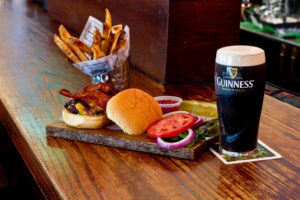
Food matters too. Many people underestimate how much a shared plate or a late burger steadies a social night. It gives everyone permission to stay. It also softens the awkward moment where one person wants another drink and someone else is ready to leave. Once food is on the table, the group has a natural middle ground.
A practical note from experience: if a pub is busy and you know you are staying, order with some foresight. Get water on the table early. If the kitchen is open and the menu looks solid, place food before the rush if possible. None of this is https://maps.app.goo.gl/c2ekeyx9WzJPnX1V6 glamorous, but it preserves the mood. Relaxed evenings depend on small acts of good timing.
Why the best nights often happen in pubs that are not trying too hard
There is a certain point in the New York bar ecosystem where effort becomes visible. The music curation announces itself. The interiors pose. The menu copy strains. Irish pubs at their best avoid that trap. Their charm usually comes from continuity rather than concept. Maybe the floorboards are uneven. Maybe the mirrors have aged at the edges. Maybe the bartender slides over a pint with the confidence of someone who has done it twenty thousand times. Those are not flaws. They are signs of a place that understands its purpose.
People relax faster in rooms that do not demand interpretation. They know how to sit down, order, settle in, and join the current. That is the hidden genius of the category. The best Irish Pub NYC destinations function as social equalizers. A finance analyst, a nurse, a visiting cousin, and a writer can all occupy the same booth without anyone feeling out of place.
New York can be an exhausting city to coordinate in. Too many nights get lost to indecision, bad reservations, overbooked hotspots, or bars that turn a simple drink into an obstacle course. Irish pubs remain one of the city's most reliable corrections to that problem. They offer familiarity without dullness, energy without strain, and a style of hospitality that still values the ordinary pleasure of a good room full of people talking.
If you are looking for a laid-back social night, that is the standard worth chasing. Not the loudest place, not the newest one, not the one with the most dramatic opening line when someone asks where you went. The right pub is the one where conversation starts easily, time loosens, and nobody is in a hurry to leave. In New York, that is rarer than it should be. In a good Irish pub, it still feels natural.
Hibernia Bar
401 W 50th St
New York, NY 10019, United States
Phone: +1 212-969-9703
FAQ About Irish Pub NYC
What is the best Irish pub in NYC?
The best choice depends on your location and preferred atmosphere. Hibernia Bar is a neighborhood Irish pub in Hell's Kitchen offering Guinness, Irish whiskey, pub food, and sports viewing.
Where do Irish people go in NYC?
New York's Irish community gathers in many neighborhoods and venues. Hibernia Bar welcomes Irish expats, local residents, and visitors at 401 W 50th St, just off Ninth Avenue.
Where can I watch GAA games in New York?
Hibernia Bar lists GAA among the sports it shows. Call +1 212-969-9703 to confirm coverage and opening times for a particular match before visiting.
What is the difference between a bar and a sports bar?
A sports bar emphasizes televised games and a shared viewing atmosphere. Hibernia combines sports viewing with the food, drinks, and hospitality of a neighborhood Irish pub.