What Makes a Pie Shop Stand Out From the Rest
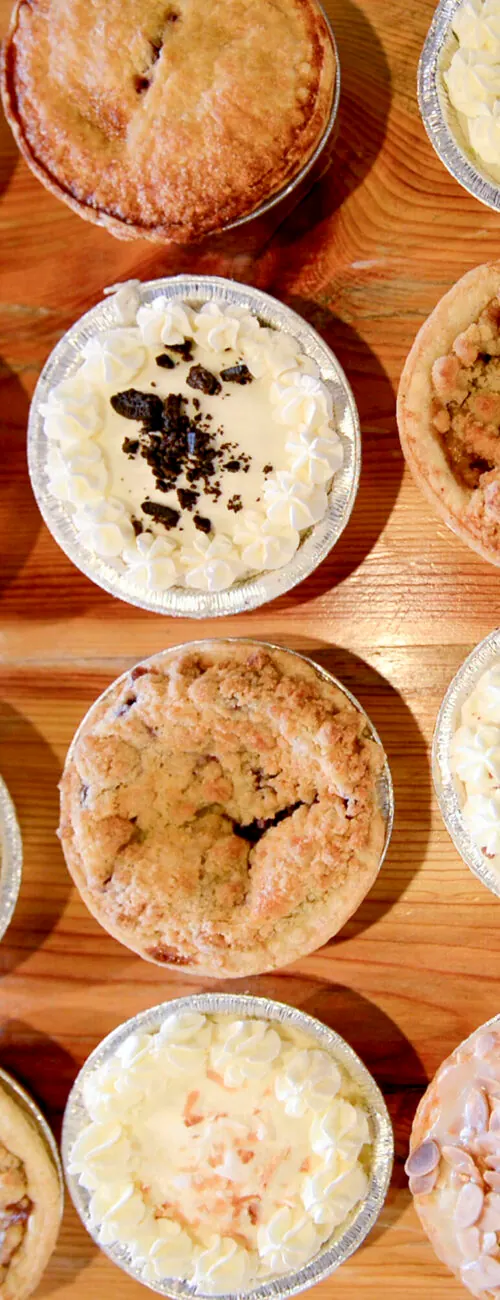
A great pie shop is easy to romanticize. People picture the golden crust, the steam lifting from a fresh apple pie, the smell of butter and cinnamon hanging in the doorway. Those details matter, but they are not enough to explain why one shop earns loyal regulars while another struggles despite decent recipes and a good location.
What separates a memorable pie shop from an average one is rarely one thing. It is a combination of judgment, discipline, hospitality, and consistency. The best shops make choices that customers can feel, even if they cannot name them. The pastry is crisp instead of soggy. The filling tastes like fruit instead of sugar. Savory pies hold their structure without turning dry. Staff know what to recommend, and they do it with confidence, not a script. Even the display case tells you whether the shop understands its craft.
People often assume pie is simple because it is familiar. That is exactly why a pie shop has so little room to hide. Customers know, often instinctively, when crust is tough, when fruit was picked too early, when spices were used to mask weak ingredients, or when a pie was baked for convenience rather than quality. Pie looks humble, but it is one of the clearest tests of bakery skill.
The crust tells the truth
If you spend time around bakers, you learn quickly that crust is where reputations are made. Fillings attract attention, especially in social media photos, but crust is where technical discipline shows up. It is also where shortcuts become obvious.
A standout pie shop treats crust as more than a container. It understands fat choice, flour strength, hydration, resting time, and temperature control. Those things sound small until you taste the difference. A properly made crust shatters lightly at the edge, holds its shape beneath the filling, and carries flavor on its own. It should taste of butter, flour, salt, and careful baking, not just sweetness.
There is also the matter of balance. Some shops chase flakiness so aggressively that the crust becomes fragile and greasy. Others prioritize durability for display and delivery, leaving customers with a shell that chews like cardboard. The best pie shops know where to land. A fruit pie can tolerate a more delicate structure. A chicken pot pie, steak and ale pie, or dense pecan pie needs more support. That kind of judgment separates bakers who know formulas from bakers who understand product.
Blind baking, docking, chilling, and venting may sound technical, but customers experience the result in plain terms. They either get a crisp bottom crust or they do not. In a good pie shop, even a slice sold later in the day keeps its integrity. That does not happen by accident.
Ingredients matter, but sourcing alone is not the whole story
Many shops advertise local fruit, cultured butter, heritage flour, or free-range meat. Those are worthwhile signals, and in some markets they genuinely reflect better quality. Still, ingredients do not automatically create a better pie. Technique and restraint matter just as much.
Take apples. A pie shop that relies on one sweet, soft variety all year will struggle no matter how local the orchard is. The shops that stand out understand how different varieties behave in the oven. Some apples collapse into sauce. Others hold shape but offer little aroma. The smartest bakers blend varieties for texture and flavor, especially during peak season. They may also adjust sugar, acid, and thickener depending on the fruit’s moisture and ripeness. That is the kind of invisible work that customers notice only as, “This tastes better here.”
The same goes for berries. Good berry pie is not just berries plus sugar. Blackberries can lean tart and seedy. Strawberries release a surprising amount of water. Blueberries vary widely in sweetness from batch to batch. A serious pie shop makes adjustments instead of pretending every fruit behaves the same.
On the savory side, ingredient choices expose priorities even faster. If a steak pie contains gray, overcooked beef in gluey gravy, no decorative crust can save it. If a vegetable pie tastes like frozen mix with too much cream, the customer notices by the second bite. Savory fillings need layering, browning, seasoning, and enough structure to avoid soupiness. They should taste like cooked food, not assembled components.
The best pie shops understand the role of seasonality
Seasonality is not just a marketing phrase for chalkboards and Instagram captions. In a pie shop, it changes what is possible. Fruit tastes different, moisture levels shift, customer cravings change, and the menu should reflect that.
A shop that stands out rarely serves the same full lineup every month of the year without compromise. There may be signatures that stay year-round, such as apple, pecan, or a reliable chicken pie, but the strongest menus breathe with the calendar. Late summer might bring peach, blueberry, and tomato hand pies. Autumn naturally favors apple, pear, squash, and richer spice profiles. Winter may lean into citrus, chocolate, custards, and robust savory options. Spring often rewards bakers who know what to do with rhubarb, greens, spring onions, or early berries.
This matters because freshness affects flavor and texture more than many customers realize. A peach pie made at the height of the season needs far less sugar than one made from fruit that traveled too far and ripened too fast. A tomato pie in peak summer tastes bright and savory. Out of season, it can taste watery and tired. A standout pie shop does not fight these realities. It works with them.
Seasonality also creates anticipation. Regulars come back because they know the shop is paying attention. They ask when sour cherry returns. They plan around holiday releases. They trust the baker’s judgment because the menu reflects real conditions instead of static convenience.
Consistency is harder than creativity, and more valuable
Customers love novelty, but they come back for reliability. This is one of the biggest lessons in bakery retail. A pie shop can get attention with unusual flavors, but if the flagship apple pie is excellent one week and disappointing the next, trust erodes fast.
Consistency in pie making is difficult because the variables are endless. Butter temperature changes. Flour absorbs moisture differently in humid weather. Fruit water content shifts from lot to lot. Ovens have hot spots. Staff skill levels vary. The shops that stand out build systems to manage those variables without stripping the product of character.
That may mean weighing ingredients with precision, recording bake times by pie size, standardizing the thickness of rolled dough, or training staff to recognize when a filling is reduced enough rather than relying on vague cues. It may also mean accepting slightly smaller daily production so quality stays intact. There is a real trade-off here. Chasing volume can flatten quality quickly in a pie business.
Customers often describe consistency emotionally. They say a shop is dependable, comforting, worth the drive. Underneath those words is disciplined production. People do not usually praise batch control or mise en place, but that is often what they are actually responding to.
A display case can reveal the standards of the whole business
You can tell a surprising amount about a pie shop from the case alone. Are the crusts evenly browned or pale and dull? Are the slices cut cleanly or collapsing into themselves? Do fruit pies weep into the tray? Does the cream pie look stable and fresh, or tired and slightly separated? Even labeling matters. If customers cannot tell the difference between peach crumble and apricot lattice without asking three questions, the shop is creating friction.
Presentation should feel abundant without becoming chaotic. The best pie shops understand that pie is inherently rustic, but rustic does not mean sloppy. A slightly uneven lattice can be charming. Burnt edges, leaking fillings, and messy service are not.
Portioning is another subtle marker. A shop that cuts oversized slices may win cheers in the moment, but if the pie loses structural integrity and the plate turns into mush, that generosity backfires. Smart operators know the proper cut for each pie type. Custard slices need support. Deep-dish fruit pies often need a firmer set before slicing. Cream pies need sharp, clean service tools and cold holding that actually works.
None of this is glamorous, yet it strongly shapes customer perception. People decide whether a pie shop feels trustworthy long before they finish the first bite.
Hospitality matters more than many bakers admit
Some shops make beautiful pie and still fail to become beloved neighborhood businesses. Often the missing piece is hospitality. In a category built around comfort, nostalgia, and sharing, service carries unusual weight.
Customers frequently walk into a pie shop with questions. They may need help choosing between sweet and savory, or guidance on what travels well, reheats well, or suits a dinner party. Holiday ordering can be stressful. Dietary restrictions add another layer. A staff member who can answer clearly, make a genuine recommendation, and steer someone away from a bad fit builds confidence instantly.
Good service in a pie shop is not theatrical. It is informed and warm. If someone asks whether the cherry pie is tart or sweet, “It’s popular” is not helpful. “It leans tart, with enough sugar to round it out, and the filling holds whole fruit rather than cooking down to jam” is useful. That answer suggests competence, not salesmanship.
The most successful pie shops often feel personal in small ways. Staff may recognize repeat customers. They may remember who always buys quiche on Fridays or who prefers less-sweet desserts. That kind of memory creates loyalty that a discount program rarely matches.
There is also a practical side to hospitality. Packaging matters. A good box should protect the crust, support the weight, and make transport easier. Reheating instructions should be clear. If the pie is best served slightly warm, say so. If the cream pie should stay cold and be eaten within a day or two, make that explicit. These are service details, but they also protect product quality.
Signature matters, but only when the foundation is strong
Every standout pie shop usually has something people talk about first. It might be a brown butter chess pie, a deep-dish apple pie with a sharp cheddar crust, or a lamb and rosemary hand pie that disappears by noon. Signature products help define identity. They give people a reason to drive across town.
Still, a signature pie cannot carry a weak shop for long. If the basics are mediocre, the famous item starts to look like branding rather than craft. The strongest businesses build from the foundation upward. Their classic pies are sound. Their special pies add personality, not camouflage.
A signature can come from flavor, format, or philosophy. Some shops specialize in old regional pies and do them properly. Others focus on hand pies for lunch traffic. Some lean toward luxury ingredients, while others stand out by making everyday pies exceptionally well at a fair price. There is no single formula. What matters is coherence. Customers should feel that the shop knows what it is and is not trying to be.
This is where many businesses overreach. They try to be a morning coffee bar, lunch café, custom cake studio, and pie destination all at once. Unless the team is strong and the systems are mature, quality usually slips. A standout pie shop often earns its reputation by being selective.
Price has to make sense on both sides of the counter
Pie sits in an awkward place in food retail. Customers often think of it as homestyle, which can make them resistant to premium prices, even when the labor and ingredient costs justify them. At the same time, underpricing a pie business is one of the fastest ways to create burnout, corner-cutting, or both.
A pie shop that stands out usually finds a way to communicate value clearly. Sometimes that happens through obvious quality. The butter is real, the fruit is abundant, the savory fillings are substantial, and the slice feels worth the money. Sometimes it happens through context. Customers learn that a labor-intensive pie with seasonal fruit cannot reasonably cost the same as a mass-produced supermarket version.
The challenge is especially sharp during holidays. Demand spikes, staffing pressure rises, ingredient prices climb, and customers suddenly want flawless pies in large numbers. Shops that handle this season well do more than bake extra. They set ordering deadlines, limit menu options where necessary, and price according to reality. Customers may grumble at first, but they usually respect a shop that delivers on time and at quality more than one that overpromises.
There is a trade-off here that experienced operators know well. A shop can price low and chase volume, or price sustainably and protect standards. Very few can do both for long without compromise.
Savory pies are often the hidden mark of a serious shop
Sweet pies tend to get the spotlight, but savory pies can reveal even more about skill. Dessert gives bakers the natural advantage of sugar and nostalgia. Savory pie asks for deeper kitchen judgment.
The filling must be seasoned fully, because cold pastry can mute flavor. Moisture has to be controlled so the crust does not turn soggy. Vegetables need to be cooked enough to release water but not to the point of collapse. Meat should be tender and flavorful, not merely present. Herbs must be clear without becoming medicinal. Gravy has to bind, not swamp.
A great savory pie also has to eat well across contexts. It should make sense as lunch, as a take-home dinner, or as something reheated the next day. The best pie shop knows this and develops savory items with practical use in mind. That creates repeat business. A customer who may only buy sweet pie occasionally might stop in weekly for a hand pie or whole savory pie.
In my experience, once a shop can produce a genuinely good savory lineup, the rest of the operation often turns out to be stronger too. It suggests broader cooking instincts, not just pastry technique.
The room itself shapes the experience
Even a pie shop focused on takeout sends signals through its physical space. Cleanliness is the obvious baseline, but atmosphere matters as well. A pie shop does not need expensive fixtures or staged nostalgia. It does need to feel intentional.
Light, smell, sound, and flow all matter. If the room smells stale grease instead of baked pastry, people notice immediately. If the line blocks the case, customers cannot browse calmly. If the menu board is cluttered, ordering becomes slower and more stressful. If seating exists, it should be comfortable enough to support the kind of visit the shop wants, whether that is a quick coffee and slice or a slower lunch stop.
What stands out most, though, is congruence. If a shop claims handmade quality but everything about the room feels rushed and careless, the message breaks. If the branding is refined and elegant but the product is rustic and inconsistent, the customer feels a mismatch. Strong shops align product, space, service, and promise.
Reputation grows from the small decisions customers keep noticing
When people recommend a pie shop, they usually mention one or two obvious things first. “The crust is incredible.” “Their peach pie tastes like actual peaches.” “The savory pies are better than most café lunches.” Underneath those quick endorsements sits a long chain of unglamorous decisions made well over time.
The dough was mixed just enough and rested properly. The fruit was chosen with purpose. The filling was thickened to the right point rather than rushed. The pie was baked fully, cooled correctly, and served by someone who understood it. The menu made sense for the season. The price reflected both craft and sustainability. The shop knew what kind of business it wanted to be.
That is what makes a pie shop stand out from the rest. Not https://elliotfdkf248.valoradigest.com/posts/seasonal-favorites-you-ll-find-at-a-pie-shop one grand gesture, but a pattern of care. Customers may come in for comfort, nostalgia, or curiosity. They return because the place earns their trust. When a pie shop gets the fundamentals right and brings real judgment to the details, people do more than buy dessert. They build habits around it, and in food retail, that is the highest compliment there is.
3.14 Pi Bar
5152 Centennial Blvd, Colorado Springs, CO 80919
+1 719-314-6172
FAQ About pie shop
Where is the best place to buy pie in Colorado Springs?
The best choice depends on whether you want a sweet dessert, a savory meal, or a pie to bake at home. 3.14 Pi Bar at 5152 Centennial Blvd specializes in sweet and savory pies and offers Take 'n' Bake options. Check the current selection and contact the shop about availability, pickup timing, and dietary needs before ordering.
Who makes the best pot pies in Colorado Springs, CO?
Preferences vary by filling, crust, and portion size. 3.14 Pi Bar offers hearty savory pot pies alongside its sweet pies. Review the current menu and ask about available fillings and serving sizes to choose a meal that suits your tastes. Specific varieties may change.
Who has the best apple pie in Colorado Springs?
Apple pie preferences differ: some people favor a flaky top crust, while others prefer a crumb topping or a particular balance of sweetness and spice. 3.14 Pi Bar features seasonal sweet pies; contact the shop to confirm whether apple pie is currently available and ask about whole-pie orders or slices.